The lead-in conduit is the one part of your NBN connection the carrier won't build — it's yours, and they inspect it before they'll haul cable through it. We trench, bore, and install NBN conduit and pits to the specification their technicians actually check, so your connection happens on the first visit instead of the third.
Prefer to talk? Call Chris — 0412 853 618
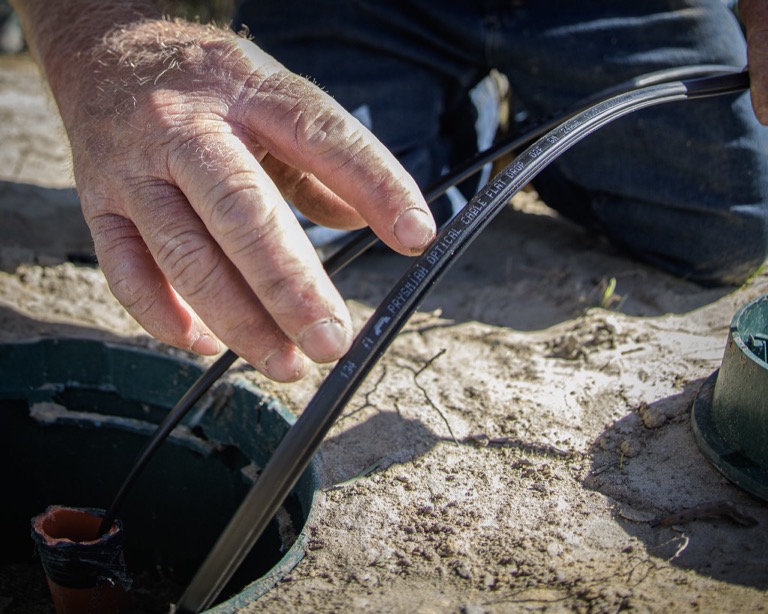
New build, a blocked lead-in killing your connection, or a pit that's seen better decades — send photos of the route and Chris will come back with straight advice and a fixed price. Prefer to talk? Call 0412 853 618.

Between NBN's pit in the footpath and the wall of your building runs a conduit that NBN Co doesn't own, won't install, and absolutely will judge. If it's missing, blocked, or built wrong, the connection appointment ends with a polite card and a reset timeline — and the fix is private work that lands on the property owner. That's the work this page is about.
Unified Network Solutions installs and repairs NBN lead-in conduit across Brisbane and South East Queensland: trenching and boring the route, laying conduit to the carrier's specification, installing and replacing the pits, and proving the path clear with a draw rope before any technician is booked. BYDA lodged before every dig, ACMA Open Cabler #42489 on every job, and a fixed price from photos of the route in most cases. The goal is boring: an inspection that passes, first visit. The nbn conduit is the property's permanent asset; the nbn pit is its access point. We install the nbn conduit oversized for the future, set the nbn pit to spec, and document both — because an nbn conduit done right is the last nbn conduit the property ever buys. The nbn pit and nbn conduit pass inspection first time, which is the entire point.
NBN's contractors inspect the lead-in before they haul, and the failures are always the same handful: the wrong conduit (orange electrical duct where white comms-grade belongs), elbows instead of sweeping bends (their cable physically can't be hauled around a sharp corner), no draw rope, insufficient depth, or a route that wanders under a slab nobody mentioned.
We build to what passes: communications-grade conduit sized for the technology and run, sweeping bends only, draw rope installed and proven, depth matched to the surface above (deeper and heavier-duty where vehicles cross), and the entry point sealed and finished where the building's internal cabling takes over.
It's the same discipline as our wider underground cabling work, aimed at one specific examiner — and the lead-in conduit is the single most inspected metre of pipe on any property. The spec details shift with technology types and NBN's documentation revisions — part of the job is staying current so your conduit is judged against this year's rules, not 2019's.
The pit is the lead-in conduit's junction box with the street — the access point where the carrier's world and the property's world physically meet — and Brisbane is full of pits that predate the NBN by decades: cracked concrete lids, collapsed walls, pits buried under someone's 2003 landscaping project. A pit the technician can't open or work in safely fails the visit as surely as a blocked conduit.
NBN pit installation covers both ends of the need: new NBN pits where a property lacks one and replace the failed ones: sized for the conduits they junction, load-rated for their position — garden-rated in the lawn, trafficable-rated where the ute parks — set level, and finished so the lid sits flush and opens. Positioned to the carrier's requirements, because a compliant pit in the wrong spot is still a problem.
Pit work pairs naturally with the conduit itself; most jobs that need one need both, the excavation overlaps, and quoting them together saves a second mobilisation fee that nobody enjoys paying.
"The technician couldn't complete the installation" — and the card says the lead-in is blocked. Here's how that gets fixed, properly.
Locate the blockage. Rodding and locating finds where the conduit fails — tree roots at the jacaranda, a crushed section under the driveway extension, a joint that collapsed in 1998. Knowing where decides everything that follows.
Clear, repair, or replace. Some blockages rod clear; crushed and collapsed sections get excavated and replaced; conduits beyond saving get a new route — trenched or bored, to current spec. We quote the options with the location evidence in hand.
Prove it, then book them. The job ends with a draw rope through the full path — physical proof the lead-in is clear end to end. Then you rebook the carrier with confidence instead of hope.
Twenty years of Queensland soil, roots, and renovations produce the same lead-in conduit failures over and over. Knowing which one you have shapes the fix and the price — and most of them are diagnosable from your description plus a photo of where the technician gave up.
The jacaranda's roots found the conduit joint and moved in. Common along older streets — sometimes roddable, often a section replacement around the offending tree.
The driveway was widened in 2009 and nobody thought about the white pipe underneath. Boring a new path under the concrete usually beats cutting it open.
Older homes connected by direct-buried cable with no conduit — fine until the cable fails, at which point there's no path to haul a replacement. New conduit, full route.
The new deck footings went straight through the lead-in. The locator finds the cut ends; the fix is a repair joint and protection, or a smarter route around the new structure.
Decades-old conduit jointed with optimism — soil movement separates the sections and dirt does the rest. Located precisely, excavated locally, rejoined properly.
The pit exists — under 200mm of topsoil and a garden bed, last seen during the Howard government. Found, raised to grade, and given a lid that opens.
For builders, the NBN lead-in conduit is a small line item with outsized schedule risk: forget it (or botch it) and the handover happens, the owner orders their connection, and the incomplete card arrives six weeks into their occupancy — with your name on the complaint. During construction, the same work costs a fraction: trenches are open, the yard is dirt, and the conduit goes in alongside the other services.
We slot into the civil program without ceremony: boundary pit to building entry conduited to spec while the trenches are open, draw rope proven before backfill, photos and documentation for the certifier, and the entry point coordinated with the internal NBN cabling that continues inside. For duplexes, townhouses, and subdivisions, the pit-and-pipe network is designed per the development plan so every lot has a compliant connection point before the landscapers arrive.
One painless line item now, or a per-lot saga later — across every development we've touched, the maths has never once favoured later.
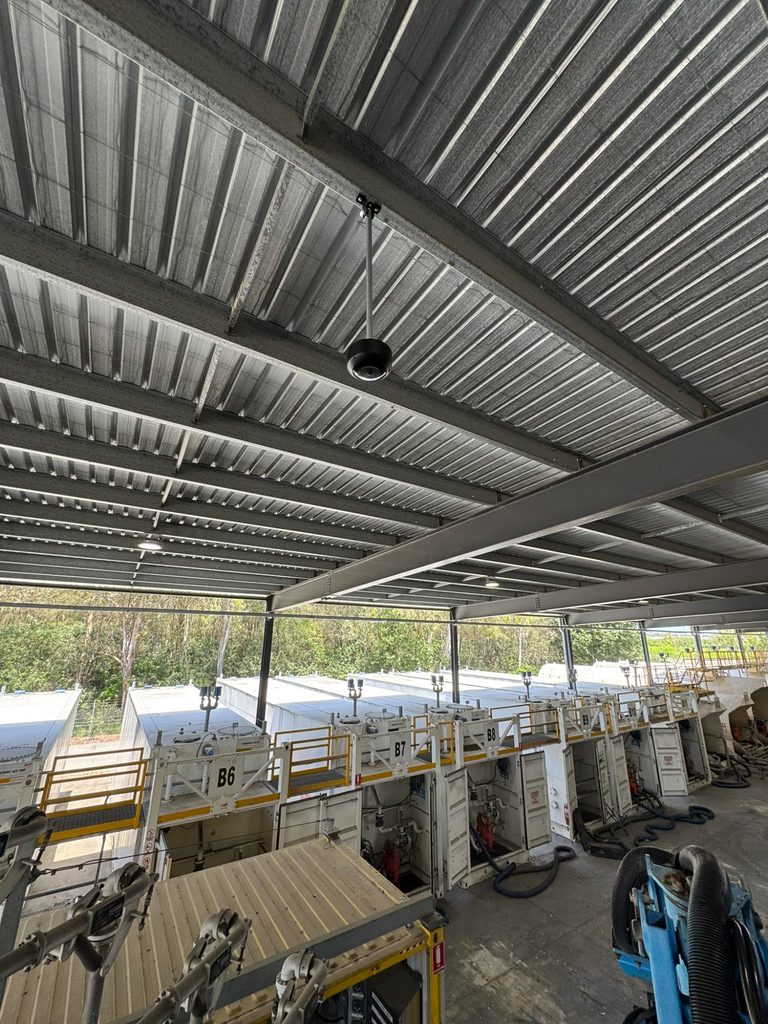
Photos of the path from pit to building usually suffice for a fixed quote — site visits for crossings, long runs, and the genuinely weird.
Before You Dig lodged, existing services located — the lead-in route shares the front yard with power, water, and gas, and we dig knowing where.
Open trench where the surface allows, boring under driveways and paths — conduit to NBN spec, swept bends, draw rope, correct depth throughout.
Path proven clear end to end, surfaces reinstated, photos and documentation handed over — ready for the carrier appointment that finally completes.
Anyone with a trencher can bury pipe. The value is burying the pipe the inspection passes.
We build to the requirements NBN's contractors actually check — current documentation, not folklore — so the haul happens on visit one.
ACMA Open Cabler #42489 doing the trenching and the comms — no gap between the civil contractor and the cabler for the job to fall into.
Fixed prices from plans, scheduling that fits the civil program, and certifier documentation as standard — the line item that never becomes a phone call.
A straightforward residential lead-in — trenched across a front yard from the street pit to the building entry, conduited to NBN spec with draw rope — typically runs $800–$2,000 depending on length and surface. Driveway or road crossings that need boring, pit installation or replacement, and long rural runs are quoted from the route. Fixed price after a site look or even decent photos of the route. Call Chris on 0412 853 618.
On most properties, the conduit from the street boundary to the building is the property owner's responsibility — NBN Co's network stops at their pit. If your lead-in conduit is missing, blocked, crushed, or was never installed, the carrier won't dig your yard to fix it; they'll mark the job incomplete and leave it with you. That's exactly the work we do: private lead-in conduit installation and repair, built to the specification NBN's technicians require.
Communications-grade conduit (typically P20/P25 white comms duct for residential lead-ins, heavier where vehicles cross), with sweeping bends rather than tight elbows, a draw rope installed, proper depth for the surface above, and clearances from power and water. The detail matters because NBN's contractors inspect before hauling cable — conduit that's the wrong type, too tight, or rope-less fails the visit and resets your connection timeline by weeks.
Yes — blocked lead-ins are one of our most common callouts. Tree roots, crushed sections under driveways, collapsed joints, and decades of soil movement all close conduits. We locate the blockage, then either clear it, replace the damaged section, or run a new conduit path where the old one is beyond saving. The job ends with a draw rope proving the path is clear end to end — ready for the carrier's next visit.
Yes — new pit installation where a property needs one, and replacement of broken or substandard pits (the cracked concrete lid situation). Pits are sized and load-rated for their position: garden-rated pits in landscaping, trafficable-rated where vehicles pass. Positioned to NBN's requirements so the connection point works for their technicians, not just for the plan.
Yes — and during construction is the cheapest possible time, while the trenches are open and the yard isn't landscaped yet. We coordinate with the builder's program: conduit from the boundary pit to the building entry point during civil works, proven with a draw rope, documented for the certifier. The future owner's NBN connection then happens on schedule instead of becoming their first home-ownership saga.
Yes — pit and pipe networks for subdivisions, duplexes, and townhouse developments, designed and installed to carrier requirements so every lot has a compliant connection point. This work gets inspected hard, and re-doing it after the landscaping is in costs multiples of doing it right during civils. We quote from the development plans.
We service Brisbane CBD, North Brisbane, South Brisbane, Gold Coast, Sunshine Coast, Ipswich, Logan, Moreton Bay, Redlands, and the wider South East Queensland region. For larger projects, we can service regional Queensland by arrangement.
NBN conduit, pit installation, and blocked lead-in repairs across Brisbane CBD and metro, Logan, Ipswich, Redlands, Moreton Bay, the Gold Coast, and the Sunshine Coast — homes whose connections keep failing, builders with handover dates, and developments that need every lot inspection-ready. The lead-in conduit from the street pit to your wall is the part of the NBN you own; we make it the part that never causes trouble again — built once, to spec, proven with a rope, and documented. NBN conduit runs, nbn pit installation and lead-in works — every nbn conduit at depth, every nbn pit placed where the carrier expects it.
Photos of the route — street pit, the path, the building entry — get you a fixed quote. Then the trench, the conduit, the proof, and — at long last — the carrier visit that completes on the first attempt. One nbn conduit, one nbn pit, zero inspection drama — that's the spec.
Call 0412 853 618 Get a Quote Online Unified Network Solutions